
 Eli Porter
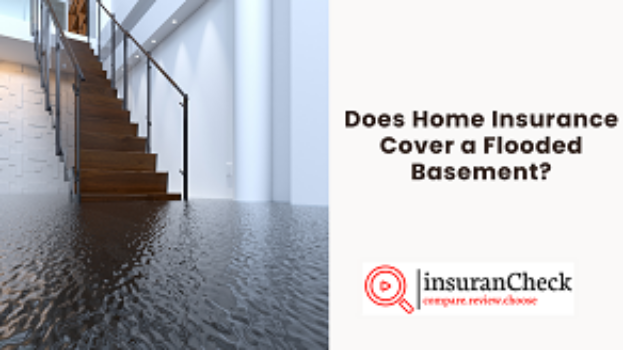
A flooded basement is a distressing sight, and quite a few homeowners assume their policy will cover the cost of the cleanup. The reality is much more complicated. Home insurance can cover some reasons that a basement floods but does not cover others at all.
Regular policies categorize water damage in two ways: water from inside your house and outdoor flood water. It is this division that determines if your insurer will pay or deny your claim.
This article points out what your insurance will pay for, which expenses you will have to cover yourself, and how you can safeguard your basement before the next storm arrives.
Table of Contents
Does Home Insurance Cover a Flooded Basement?
Short answer: not always.
Typically, a homeowner’s insurance policy will cover water damage if it is caused by a sudden and accidental event within the house. It does not cover flood water entering through the outside, e.g., from rain or an overflowing river.
The type of water entering the basement will determine your kind of coverage. First, insurers will decide on the source and then payout or not.
Why Does the Source of Water Matter So Much?
The reason is that insurance companies create their contracts based on specific situations rather than general consequences.
Damaging water from a broken pipe is an unforeseen accident, while floods caused by the gradual rise of groundwater are different.
These represent two quite separate coverage categories.
At the same time, both will result in a flooded basement.
What Causes of Basement Flooding Does Home Insurance Cover?
Generally, home insurance covers basement water damage in the event of:
- a pipe inside your home bursts or freezes
- the washing machine or dishwasher overflows, or a water heater bursts
- the plumbing fails suddenly
- the fire sprinkler system is activated
- there is an accidental water leak in a wall or ceiling above the basement
Should it be possible for a technician to identify a sudden internal source of failure, the likelihood of your claim being approved is quite high.
What Happens With Accidental Overflows?
In most cases, when an appliance overflows, your home insurance could very well cover the loss.
Insurance companies treat this as a sudden accident – unexpected and without warning – and not a long, slow wear-and-tear-type problem.
Be sure to keep any receipts you have from buying these appliances as well as repairs and checkups.
Your insurance inspector might ultimately want to see them.
What Causes of Basement Flooding Does Home Insurance Not Cover?
Unfortunately, standard home insurance does not cover water damage due to the bursting of a dam or the flooding of a village.
It means that quite often you might get the short end of the stick with:
- Flooding from heavy rains coming through basement walls or floors.
- Flooding coming from a river, lake, or storm surge.
- Water coming through your yard after a storm.
- Water under the surface that rises after a couple of days of rain.
- A sewer or drain backup when there is no endorsement covering the event.
Home Insurance vs Flood Insurance: A Quick Comparison
| Cause of Water Damage | Home Insurance | Flood Insurance |
| Burst pipe | Yes | No |
| Appliance overflow | Yes | No |
| Storm surge or river flooding | No | Yes |
| Heavy rain seeping through walls | No | Yes |
| Sewer backup with endorsement | Sometimes | No |
| Groundwater rise | No | Yes |
What Is Sewer Backup Coverage?
Sewer backup coverage is an additional rider that lots of insurance companies offer with your main policy. It covers your losses if sewage or drain water damages your basement after coming back through the pipes or drains.
Usually without an endorsement like this one, most standard policies would deny a sewer backup claim. The add-on is surprisingly cheap compared to the repair savings that it can provide.
Is Sewer Backup Coverage Worth the Extra Cost?
Old plumbing systems and houses located in low-lying areas are at increased risk of a backup event. At the same time, you are only paying a small yearly amount for such an endorsement; it can definitely end up saving you plenty later on in the form of cleanup and repair costs.
Do You Need Separate Flood Insurance?
In fact, you will if you are looking for protection against outdoor flood water exposure.
This is because standard home insurance policies simply do not include coverage for flooding resulting from external water sources, regardless of how the water enters your basement.
In terms of flood insurance, it is a separate policy that can be either a national flood program or a private flood insurer. Even if your home is outside of the flood zone, you can still buy flood insurance.
Some indications that you should strongly consider buying this type of insurance are:
- Your house is located near a river, lake, or the ocean
- When there are heavy storms,s your area gets flooded
- You have had experiences of flooding in your basement from outside water
- Your mortgage lender is asking for flood insurance for your area
How Do You File a Claim for a Flooded Basement?
You should have proper documentation for your claim to be processed quickly. After finding water damage, follow these steps:
- Do not enter the water without first turning off electricity to the basement
- Immediately make a photo and video documentation of the damage
- Pull out the standing water and discard damaged items to prevent mold development
- Dial your insurance provider and start a claim
- Have a licensed water damage contractor provide a written quote
- Keep the temporary repair or pump rental receipts
Before issuing a payout, your adjuster will want to know the water source. Access to irrefutable evidence indicating an abrupt internal cause is a good way to get approval sooner.
Does Home Insurance Cover Mold After a Flood?
The source rule that applies to water damage also applies to mold. If mold appears after a covered event like a pipe bursting, your policy will normally cover mold removal costs up to a certain limit.
In the event of an external flood, your normal policy will not reimburse you for mold. Since the flood itself is outside of your coverage, the mold that appears as a result of it is also not covered.
- Check with your insurance agent about the mold coverage limit you have
- It is very important that you report the water damage immediately because a slow response can turn a covered claim into a denied one
- While waiting for your adjuster to arrive, keep the area as dry and well-ventilated as possible
What Should You Ask Your Insurance Agent?
Before you even file a claim, a quick chat with your agent may help to dispel a lot of misunderstandings. Don’t forget to take these questions when you meet with your agent:
- Is sewer backup included in my coverage or would I have to pay extra for it?
- Are there any circumstances under which my sump pump failure is covered?
- Does my insurance policy limit the amount of money that can be paid out for damages to a basement or other below-ground structures?
- What do you think: should I consider purchasing flood insurance given where I live?
Make a note of the replies and store them with your insurance policy paperwork. Taking this measure one day when something really does go wrong will get you out of hours and days of panic and confusion.
How Can You Prevent a Flooded Basement?
Just a few simple habits can help you avoid a basement flood:
- Get a sump pump with a battery backup
- Make sure your gutters and downspouts are clean so water flows away from your house
- Repair any cracks in your basement wall and floor
- Make your yard slope away from your home to prevent water accumulation
- Install a backwater valve to prevent sewer backup during heavy storms
Small measures like these typically cost much less than a complete basement restoration.
Related: Does Home Insurance Cover Plumbing? 2026 Ultimate Guide
Final Thoughts
Home insurance covers basement flooding in case of sudden internal events, such as a pipe burst or a production overflow. They do not cover flood water, which is the water coming from the outside, and for which a separate flood policy is needed. Sewer backup is also a separate category and requires an additional add-on for coverage. Today is the best day to read your policy, see what it really covers, and add the right protection before the next storm arrives.
If you want to review your policy or simply add the extra coverage your basement actually needs, then by all means visit insurancheck.com today and get a clear picture of what your home insurance protects.