
 Eli Porter
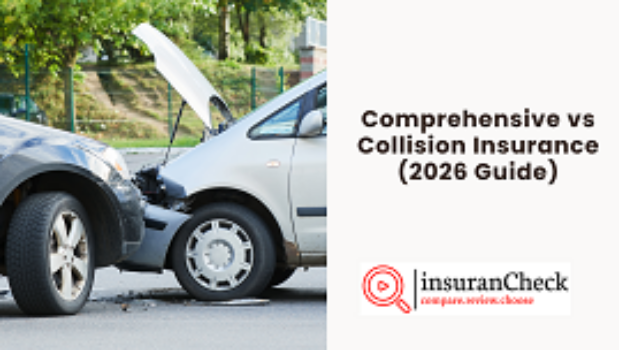
At first glance, choosing between comprehensive and collision insurance might seem overwhelming. Both types of insurance can protect your vehicle, but the kinds of incidents they cover are quite different. Comprehensive insurance pays for the repair or replacement of your car in situations that do not involve a traffic accident, e.g., theft or damage due to natural disasters. Collision insurance, on the other hand, reimburses you when your car is involved in a collision with another object.
In the U.S., a typical motorist nowadays pays nearly $421 annually for comprehensive insurance and around $473 for collision insurance each year. Being aware of exactly what each of them covers is one way to prevent you from spending unnecessarily and getting stressed later on. This article explains in simple terms the two insurance types so that, based on your car and your financial capability, you can choose the right cover.
What Is Comprehensive Insurance?
Comprehensive insurance is damage coverage for your car at times when you are not driving. To put it another way, it is the coverage for those unforeseen and uncontrollable things that you may encounter not only on the road but even in your own garage or driveway.
Common situations covered by such insurance are:
- Vehicle theft or break-in
- Deliberate damage or vandalism
- Injury caused by fire
- Injury to your property due to storms, hail, or flood
- Damage caused by the impact of a falling object, e.g., a tree branch
- Collision with an animal, e.g., a deer
Say a strong gust of wind knocks down a tree, and it lands on your vehicle. Comprehensive insurance will cover the damage, if any. Suppose someone enters your car and steals the stereo – this is the coverage that will help you pay for the repair.
Is Comprehensive Insurance Required?
In fact, no state has ever made the law mandating comprehensive insurance for everyone. It is your choice if you are a car owner without any outstanding loans. However, if you have your car on finance or you are leasing it, it is rather probable that your lender will request you to have comprehensive insurance as part of your loan contract. The main idea behind this is to safeguard their financial interest in the car until you have fully settled the amount.
How Much Does Comprehensive Insurance Cost?
Currently, motorists on average spend $421 annually on comprehensive insurance, which is approximately $35 per month. However, the premium you end up paying will take into account the worth of your automobile, where you live, and your history of driving. For instance, those living in big cities where car thefts occur frequently tend to pay higher rates, whereas people living in less populated areas with a lower incidence of break-ins will most likely be charged less.
What Is Collision Insurance?
Collision insurance is a type of insurance that protects your vehicle if you are the one who physically hits another vehicle or object. In fact, it doesn’t matter who was at fault. This kind of insurance can come in handy if your accident results in your car getting damaged.
Some examples of collision insurance are:
- Vehicle getting into an accident and hitting another car
- Accidental contact with a fence, mailbox, or guardrail
- Roll-over accident
- Being hit by or hitting a pothole or a curb
Say you hit the car in front of you while driving in traffic. Your collision insurance would cover the repair costs of your car. Meanwhile, your liability insurance, which is a separate one, will take care of the other car’s damages.
Do You Need Collision Insurance?
Just like a comprehensive package, collision insurance is something that you might want to have, but in most states, it is not a requirement by law. However, if you are borrowing money to buy a car, then your lender will most definitely want you to have this type of coverage. The same goes for car leasing. If you don’t have any loan taken out on your car, i.e., it is fully yours, then you can decide on your own.
How Much Does Collision Insurance Cost?
For collision insurance, the typical driver can expect to pay approximately $473 yearly or approximately $39 monthly in 2026. Therefore, it is a bit more costly than comprehensive coverage on average. Cars that are newer or those that contain expensive components quite often have collision insurance premiums that are higher because a car repair in these cases usually costs more after a crash.
Comprehensive vs Collision Insurance: Key Differences
To make it very clear which one is which, a collision covers crash situations, and a comprehensive covers any other situation. New are the two insurances against which they are measured.
| Feature | Comprehensive Insurance | Collision Insurance |
| Covers crashes with other vehicles | No | Yes |
| Covers theft | Yes | No |
| Covers weather damage | Yes | No |
| Covers hitting an animal | Yes | No |
| Covers hitting a fence or pole | No | Yes |
| Average annual cost (2026) | Around $421 | Around $473 |
| Required by law | No | No |
| Required by lenders | Often | Often |
Common questions about comprehensive and collision insurance
Does comprehensive cover hitting a deer?
Yes. Hitting a deer is the result of a collision, but insurers categorize this type of coverage as comprehensive, not collision. The animal is not another vehicle, and the event is generally not caused by your driving decisions in the same way that a crash would be. So if a deer happens to run into the road and your car strikes it, then your comprehensive coverage will pay for the damages.
Do I Need Both Comprehensive and Collision Coverage?
That depends on your circumstances. Financing or leasing your vehicle is a situation where you’ll most probably be required to have both. If you’ve paid off your car, the choice mostly depends on the value of your car and how much risk you are willing to accept.
The usual guideline followed by most drivers: if the value of your car is less than ten times the cost of your annual premium, maintaining both coverages might not be financially sound. Cars that are older and have little market value are sometimes more expensive to insure than they are worth.
Which one is cheaper?
Comprehensive coverage is generally cheaper than collision coverage. Based on the average figures for 2026, comprehensive insurance costs around $421 per year, whereas collision is a bit more expensive with an average of $473 per year. Besides your zip code and other impacting factors, the cost will largely depend on:
- The make and model of your car
- Your driving record
- Where you live
- The deductible amount you select
Can I Choose Different Deductibles for Each Coverage?
Certainly. Comprehensive and collision insurance come with separate deductibles. For example, if you often find yourself driving in traffic jams, you could opt for a lower deductible for collision. Likewise, if the chances of theft and weather-related damages are quite slim in your area, then you may decide to set a higher deductible for comprehensive. Quite a few drivers, however, opt for keeping the deductibles the same for the sake of ease in budgeting.
Does Either Coverage Pay for Medical Bills?
Unfortunately, No. Neither comprehensive nor collision insurance will cover your medical expenses. They are both meant to pay for damages done to your vehicle. Medical expenses are usually taken care of by your personal injury protection, medical payments coverage, or your health insurance, depending on what your policy states and the laws of your state.
What Happens If Someone Hits My Car and Drives Away?
Usually, collision insurance will come to the rescue in this case. So if a hit-and-run happens and your car gets damaged, then your own collision coverage is the one that pays for the repairs since the offender is unknown and cannot be held responsible right away.
Is Full Coverage the Same as Comprehensive and Collision?
Not really, but very close. “Full coverage” is not a standardized term in insurance. Most insurers use it to refer to a policy that includes liability coverage along with both comprehensive and collision coverage. Therefore, if your agent talks about full coverage, make sure you check exactly what is included so there won’t be any misunderstandings later.
What’s the Difference Between a Deductible and a Premium?
Most folks think about premium as the regular payment usually made monthly or every six months, which keeps the policy active. Deductible, however, is the term used for an amount paid out-of-pocket in the event of a claim before the insurer covers the rest. So inevitably, the higher the deductible, the lower the premium. On the contrary, a lower deductible leads to a higher premium but also less out-of-pocket expense when making a claim.
Can I Add Comprehensive or Collision After Buying My Policy?
Absolutely. The majority of insurers actually allow making additions or deletions in your policy coverages even outside the renewal period. Simply pick up the phone and talk to your agent or log in to your account to do the updating yourself. Also, remember that adding coverage in the middle of the policy term will most probably cause a little increase in your premium for the remaining months.
Related: Temporary Motorhome Insurance (RV) : 2026 Ultimate Guide
Final Thoughts
Collision and comprehensive insurance protect your vehicle in different ways. Collision helps when your vehicle collides with another car or any other object. On the other hand, comprehensive coverage covers your car from all kinds of outdoor risks, including theft, storms, and even a deer crossing the road. The right choice only comes after considering your car’s worth, your place of living, and your willingness to take risks.
Still don’t know which one to pick? A quote that is tailored just for you will definitely help you decide. Visit Insurancheck.com now and see the different policies you can get. A few minutes spent today could result in huge savings for you in case of an emergency.