
 Eli Porter
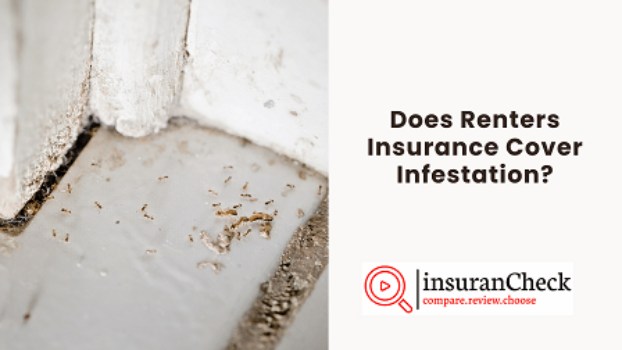
You pay for renters’ insurance every month, hoping that it will cover you when things go wrong. Then infestation problem hits, and you start wondering if your policy will help. Well, here is the truth most renters find out the hard way.
Table of Contents
Do Renters Insurance Really Cover Pest Infestations?
To make the story short: no. In standard policies, renters’ insurance won’t cover infestations of any kind. This surprises a lot of renters, and quite rightly too. You are paying premiums, so you expect protection. But pest infestations fall into what insurers call “preventable” damage, and that changes everything.
Why Pest Coverage is not Insured by Insurers
Renters insurance is all about safeguarding you from sudden, unforeseen events. Fires, thefts, or water damage from a burst pipe are examples. A pest infestation spontaneously occurs in the contrary manner to these. It usually accumulates over a period, in most cases due to the state of your dwelling or its surroundings. For that reason, your insurance company will consider it a maintenance issue and not an accident.
Most times, there is a “vermin exclusion” clause in the policy. It conveniently groups bugs, rodents, and other creatures under one main exclusion. You could find it next to terms like “nesting,” “infestation,” or “discharge of waste” in the list of your policy exclusions.
Here are some of the common pests that you will not be covered for:
- Bed bugs — these are excluded on nearly all standard policies.
- Mice and rats — this is regarded as rodent damage, which is not a covered peril.
- Cockroaches — due to hygiene and maintenance considerations
- Termites — because the damage is done slowly over months or years, they are excluded
- Carpenter ants — like termites, they are excluded.
What Renters Insurance Does Cover
You are covered by your policy only when the loss is due to certain perils listed in your policy. The list of events that allow you to file a claim is:
- Fire and smoke
- Theft and vandalism
- Water damage from burst pipes (not flooding)
- Wind and hail
- Certain electrical damages
Pest damage is not one of the covered perils. So even if your mattress is destroyed by bed bugs or your belongings are chewed by rats, the repairs or replacement will not be covered by your standard renters’ insurance.
The One Rare Exception Worth Knowing
There is a chance for you to get coverage, but under very limited circumstances. Say, a covered peril results in pest damage, then you can make a claim. For instance, a burst pipe resulting in water damage may cause a damp environment, which attracts rodents. Your policy may cover water damage, but still not the rodent problem.
Other times, insurers give very limited coverage in case the pest problem leads to a structural collapse, and the insured was unaware of the problem. However, this is not common and requires strong proof.
Bed Bugs: The Worst-Case Scenario
Being faced with a bed bug infestation is probably the most financially ruinous of the common pest problems for a renter. Usually, the treatment cost ranges from $1,000 to $4,000, based on the size of your unit and the type of treatment used.
Here’s what your renters insurance will not cover:
- Cost for extermination
- Hotel expenses during the treatment period
- Replacement of furniture or bedding that is infested
- Medical expenses resulting from bites (in most cases)
Currently, only two insurers provide some bed bug protection. Assurant has bed bug coverage in some states, while Jetty offers up to $300 in coverage. Major insurers such as Lemonade, Progressive, GEICO, Allstate, and State Farm do not have any offer for bed bug endorsements.
Who Is Actually Responsible for Pest Removal?
This is where things get more interesting. Your insurer may not help, but your landlord might be legally required to.
Landlord vs. Tenant Responsibility
| Situation | Who Typically Pays |
| Pests found before you moved in | Landlord |
| Building-wide infestation | Landlord |
| Structural issues causing pest entry | Landlord |
| Infestation linked to tenant habits | Tenant |
| Infestation you introduced | Tenant |
Laws vary by state, but several have strong tenant protections:
- New York City — landlords must eradicate bed bugs, mice, cockroaches, and rats under the NYC housing code
- Florida — landlords in multi-unit buildings must provide routine pest control under state law
- Texas — landlords must fix conditions that affect tenant health and safety, which can include infestations
- Maine — landlords are required to contact pest control within 10 days of a reported bed bug problem
- Delaware — landlords handle treatment if tenants report within 60 days of occupancy
Your best first step is always to report the problem to your landlord in writing. This creates a paper trail and may shift legal responsibility to them.
What You Can Do If Renters Insurance Won’t Help
However, since the insurer will not help you with the removal of pests, here is a straightforward way to shield yourself:
Stop the problem of pests before they even become a concern:
- Fill the spaces around pipes, walls, and doors with steel wool or metal mesh.
- Keep food in sealed containers and clean up crumbs right after
- Check used furniture very well before bringing it inside.
- Use hot water for washing bed linens and clothing after travel.
- Inform the landlord immediately about any leaks or cracks, since moisture is one of the main reasons why pests gather.
In case the problem already exists:
- Keep a written record of all communications and actions taken.
- Send a written notification to your landlord.
- You should find out what the law is in your state with regard to a landlord’s responsibility for pest control.
- Local housing authorities will assist you if, after contacting your landlord, you still have a problem.
- Before deciding, you should get extermination offers from several companies.
Related: Does Renters Insurance Cover Carpet Damage? A Complete Guide
A Quick Summary Before You Go
How much your renters’ insurance will help you depends on what it covers. Pest infestations are an area where your policy will not offer assistance. No matter what type of pests you have, such as bed bugs, mice, cockroaches, or termites, the insurance company will not cover the pest extermination, replacement of damaged items, and temporary accommodation.
Prevention, knowing the laws of your state, and having a cordial relationship with your landlord will be your strongest protection. If pests do appear, react promptly and take notes of all that happens.
Are you ready to check if your renters’ insurance is up to date? Then head over to insurancheck.com for policy comparisons, getting to know what the exclusions of your policy are, and locating the right plan for you. Do not let a pest problem be the reason you find out the limitations of your policy.