 Eli Porter
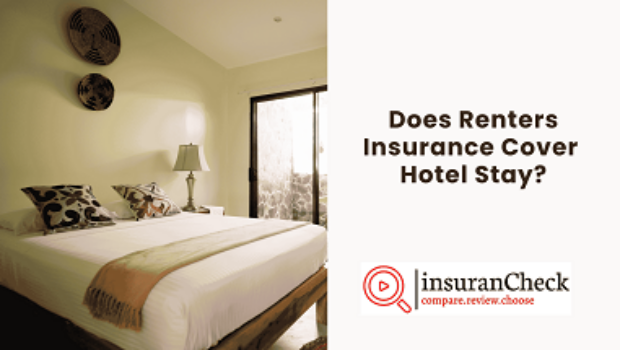
Your apartment deteriorates into an unlivable condition after a fire or a major water leak. You require a place to stay immediately. Does Renters Insurance Cover Hotel Stay? The short response is yes; however, certain stipulations apply. This type of coverage can totally change your lives during an emergency, but a lot of renters don’t know that it’s there. Let’s get into the details of how this protection functions and when you are allowed to use it.
Table of Contents
Does Renters Insurance Pay for a Hotel or Other Temporary Housing?
Indeed, renters insurance pays for temporary housing via a rental benefits provision or ALE (Additional Living Expenses) coverage benefit. These are your protections in the event your rental unit becomes uninhabitable due to a covered peril. You won’t be charged with finding the funds for emergency accommodations.
ALE coverage reimburses your living expenses that exceed your usual ones. If your rent is $1,200 per month and you have to stay in a hotel for $150 per night, your insurance will cover the difference. This coverage is valid until you return to your home or until you exhaust your policy limit.
Main Coverage Details
- Responds when your dwelling is damaged by covered perils and becomes uninhabitable
- Reimburses you for the difference between your temporary expenses and your normal living costs
- Will pay for staying at a hotel, motel, or apartment
- Meal allowances are included if you cannot prepare your own food at the temporary residence.
- Stay is covered until repairs are finished or you keep within your policy limit.
There are certain limits indicated in your policy for the specific coverage of ALE. Typically, 20% to 30% of your personal property coverage amount is offered by most policies. So if your personal property coverage amount is $50,000, you will likely have $10,000 to $15,000 available for temporary accommodations.
Does Renters Insurance Cover Hotel Stay?
Your renters’ policy will cover your hotel bills if there has been some damage to your dwelling due to a specific covered peril. Therefore, it is not possible for each and every incident to be compensated by this particular benefit. The reason needs to be a covered peril that is listed and included in your policy.
Events Covered That Permit Hotel Coverage
Among other causes, the most frequent source of the problem is fire, leading to the temporary relocation of renters. Even when the flames don’t hit your unit, smoke damage makes the apartment uninhabitable. Serious water damage resulting from burst pipes or leaking roofs may necessitate the temporary move for the duration of the repairs.
Examples of claims that can be reimbursed by the expenditure of hotel stays:
- Fire and Smoke Damage
- Water Damage from Plumbing Breakdown
- Vandalism
- Building Damage from Storm
- Security Measures after Theft
- Lightning Strike Damage
- Explosion Damage
How Long Will Insurance Pay?
The length of the coverage depends on the time it takes to make repairs and also on your policy limits. When contractors are making your home livable again, insurance will continue to pay for your hotels. Simple repairs may be completed within a few weeks. However, major reconstruction could require several months.
There is a maximum time and money limit set by your policy. Typical policies restrict ALE coverage to a maximum of 12 to 24 months. The money limit is usually converted into a percentage of your personal property coverage, typically between 20% – 30%. The first limit that you reach will be the end of your coverage.
What Are Additional Living Expenses?
Additional Living Expenses are not just about the cost of a hotel room. If your rented home is damaged and you have to stay somewhere else, this coverage will pay you back for any extra costs that you have to spend. The important word here is “additional” because your normal spending is not covered by the insurance.
ALE insurance pays the difference between your regular costs and temporary living costs. You usually spend $300 a month on groceries and make your own meals at home. If you are staying in hotels without kitchen facilities and have to eat at restaurants, your food bill can go up to $600. The insurance would pay the $300 difference.
Expenses Covered Under ALE
- Hotel and motel rooms
- Short-term apartment rentals
- Extended stay facilities
- Restaurant meals when you can’t cook
- Laundry service costs
- Pet boarding fees
- Moving and storage costs
- Increased transportation expenses
Try to imagine your everyday life and the changes that occur when you are displaced. You may have to drive farther to work when you stay at a hotel. The extra gas money is something you can be reimbursed for. Your kids may need to take different transportation to school. That also counts.
What Does Renters Insurance Not Cover?
In order to avoid frustration when you file a claim, you should understand coverage exclusions. The fact is, no ALE benefits will be triggered by certain situations that will force you to leave your home.
Non-Covered Events
Standard renters’ insurance policies do not cover floods caused by natural disasters. Flood insurance is a separate policy that covers this risk. The same goes for earthquakes, which also require additional coverage.
Your insurance company will refuse to pay for hotels that you stay in during the following situations:
- Cleaning and repairing works
- Pest infestations such as bedbugs or roaches
- Mold developed due to your negligence.
- Natural floods and earthquakes
- Building code upgrades
- Landlord-initiated repairs
- Voluntary relocation
Preventable Damage
When the cause of the damage is negligence, the insurance company will deny the claim. For example, you leave the windows open during a rainstorm, and water enters the house. You are responsible for this. If you do not notify about a small leak and it grows to major damage, your claim will be denied.
Insurance companies are not going to be willing to cover maintenance problems that the policyholder ignores. A slow leak that the owner has been aware of for months does not become an emergency all of a sudden.
Coverage Limitations
According to the policy, your insurer might not cover certain types of living arrangements. A number of insurance companies do not provide coverage for temporary stays with friends or family. Besides, some limit the amount of money they will pay in these cases. Get your policy checked before choosing where to stay in case you have to move out temporarily.
There may be geographical restrictions on your insurance policy. It could be that your policy only covers hotels that are not far from your damaged home.
When Your Rental Unit Is Still Livable
Partial damages are not necessarily qualified for ALE coverage. It could be that only your bedroom was damaged by floodwater, but your living room was fine. There was no problem with staying here while the renovations were being done. Under these circumstances, the insurance will most likely refuse to cover the cost of your hotel.
In order for coverage to come in, the place has to be completely unlivable. No toilet or kitchen that works means that the house is not livable. The broken floor in one room does not. What counts as uninhabitable is determined by your adjuster.
Related: Does Renters Insurance Cover Pet Damage to Carpet? Ultimate Guide
Conclusion
Renters insurance coverage includes hotel stays as part of Additional Living Expenses if a covered event causes your home to be uninhabitable. This coverage provides financial assistance at difficult times when you have to stay away from your home temporarily. It is important that you are aware of your policy limits and covered events in case of any emergency. Check your insurance now to make sure you have enough ALE protection. Later, when you need a safe place, you will be thankful for this.