
 Eli Porter
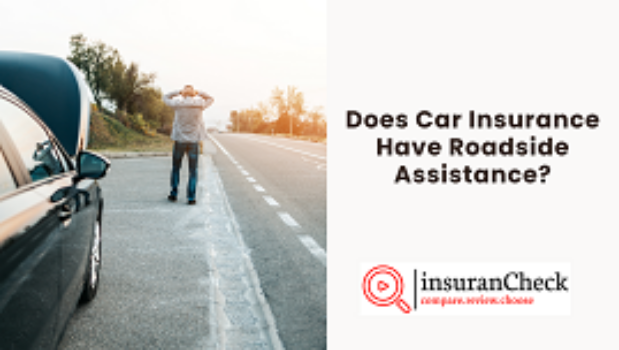
The American Automobile Association estimates that more than 69 million drivers are affected by roadside emergencies annually, in the US alone. Nonetheless, the majority of them don’t even realize what their car insurance policy covers until they get stuck at the roadside in the middle of the night.
Is Roadside Assistance Covered by Car Insurance?
The simple answer is: it depends on your insurance. Most car insurance plans do not come with roadside assistance for free. It is, in fact, a feature that people can have, if they want it, as an extra. However, many companies, if you combine it with your other insurance, will give it to you very cheaply.
Roadside Assistance in Car Insurance
Roadside assistance is a part of a car insurance policy that can be added as a supplement to help you get when you are on the road, and your car suddenly stops working, or you suffer an accident.
Generally, if you have roadside assistance, be sure you can:
- Get your car towed to the nearest garage.
- Have your car battery jump-started if the engine is not starting.
- Changing a flat tire by yourself using your spare tire
- Coming to you with gas if you run out
- Helping you out if you accidentally lock yourself out of the car
- If your car gets stuck, winching is used to get it out of the ditch or mud.
These are just the common services offered. Depending on the company you choose, it might be different. So, before you make an assumption that you are covered, check your policy document thoroughly.
Who Offers Roadside Assistance Through Car Insurance?
Most major insurers offer roadside assistance as an optional add-on. Here is a quick look at how some top providers handle it:
| Insurance Provider | Roadside Assistance Offered | Typical Annual Cost |
| GEICO | Yes (as an add-on) | ~$14/year |
| State Farm | Yes (Emergency Road Service) | ~$8–$15/year |
| Allstate | Yes (Roadside Coverage) | ~$25/year |
| Progressive | Yes (Roadside Assistance) | ~$16/year |
| AAA (standalone) | Yes (primary service) | ~$60–$100/year |
| Nationwide | Yes (as an add-on) | ~$10/year |
Prices vary by state and policy type. Always check directly with your provider for current rates.
Is Roadside Assistance Worth Adding to Your Car Insurance?
For most people, enhancing their car insurance with roadside assistance is a wise and cost-effective decision. In many cases, it won’t set you back more than a few dollars a month. On the other hand, if your car breaks down and you have to call for a tow without coverage, be prepared to pay anywhere from $75 to even $300 or more.
And it’s going to be even more worthwhile the older your vehicle gets, the longer your daily commute is, and if you live in a place where weather conditions can be quite challenging.
How Is Insurance Roadside Assistance Different From AAA?
Generally, this question gets asked quite often. Of course, all of them offer essentially the same kind of help, but they operate quite differently.
- Auto insurance roadside assistance is vehicle-specific. It comes into effect only when your insurable vehicle is the one that is in trouble.
- With an AAA membership, you are the one covered. So, this service can be used with any car you happen to be in, including private cars.
Waiting for AAA is more likely to be a shorter experience; also, they propose more deluxe service choices. Conversely, obtaining roadside assistance through your insurance plan is generally less expensive if you are only seeking basic support now and then.
Does Making a Roadside Assistance Claim Affect Your Insurance Rate?
This is where the dilemmas sometimes arise. Certain insurance companies even keep a record of claims related to roadside assistance. If, for instance, you wreak havoc by your numerous claims within a short period, then the system may consider you a high-risk customer, which could lead to the hikes in your premiums.
On the other hand, some insurers categorize roadside assistance as a wholly different line of business from your core insurance records.
So, it would be best if you asked your insurer whether they consider the usage of roadside assistance as part of the cumulative claims that you have made.
When Should You Use Roadside Assistance vs. Pay Out of Pocket?
This is a good rule of thumb:
- Resort to your roadside assistance for emergencies like when your car needs a tow, you are locked out, or you have a flat tire, etc., where expenses would be steep.
- For very minor issues, and if you think that using your roadside assistance might lead to higher rates, then pay out of pocket.
Find out how your insurance company provides for this aspect before you get into an emergency situation. Just a brief conversation with your agent will take five minutes and may keep you from a surprise rate increase.
Helpful Tips to Make the Most of Your Vehicle Insurance Roadside Coverage
- Right now, stash the number for your insurer’s roadside assistance in your phone.
- Be aware of the distance limits set for towing (some packages only cover you up to 15 miles).
- Determine whether the plan provides coverage for rental cars or only your personal vehicle.
- See whether the plan covers you when you are in other states or only locally.
- When your policy is up for renewal, use that time to check your plan limits.
Related: Does Renters Insurance Cover Carpet Damage? A Complete Guide
Conclusion
Roadside assistance can be a part of your car insurance, but most of the time, it comes as an extra. You have to either check the policy you have now, or if you want your agent to add it. Considering how cheap it is, most of the time, drivers feel it is more than enough reason for them to get it just because of the comfort it brings.
Do not wait for the moment when you are stranded on a dark road to discover what kind of coverage you have or do not have. Spend five minutes right now on checking your policy.
Would you like to compare car insurance policies that also provide roadside assistance? Head over to insurancheck.com to get coverage that fits your requirements and budget.