
 Eli Porter
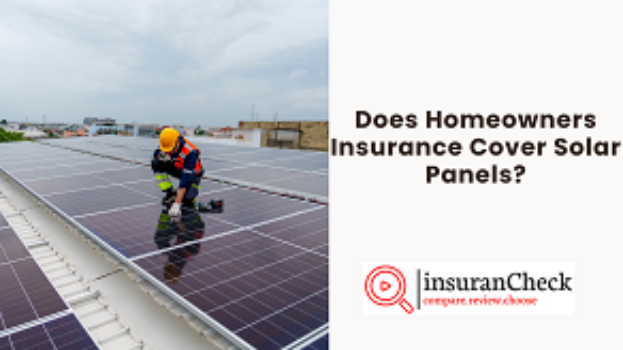
On average, installing a solar panel system can set you back between $15,000 and $30,000. It’s quite a hefty sum to have installed on your roof, day in and day out, exposed to the sun, storms, hail, and all the other elements. However, insurance is one of the last things most homeowners consider, if at all, when they decide to go solar.
Table of Contents
Does Homeowners Insurance Cover Solar Panels?
Really, it is the rule rather than the exception that home insurance covers solar panels installed on the house. However, a ‘yes’ is only the start of the story. Installation type, extent of policy, and the insurer’s perspective on the panels, either as a part of the house structure or as a piece of personal property, are the factors that determine the final coverage.
How Are Solar Panels Covered Under a Standard Policy?
In most cases, solar panels are covered as part of the dwelling coverage on a typical homeowner’s insurance plan. Dwelling coverage safeguards the physical structure of a home, which includes fixtures that are permanently affixed.
Solar panels, as a rule, are attached directly to a roof. So the majority of the time, insurers consider them as part of the home. Therefore, these panels enjoy the same level of protection as your roof, walls, and other house structural components.
The typical occurrences that are covered under the dwelling coverage category are:
- Damage from fire and smoke
- Storms, winds, and hail
- Electric discharge from a lightning strike
- Intentional acts of vandalism and mayhem
- Objects falling, such as branches from trees
- Weight of ice or snow in freezing climates
Should any of these scenarios lead to damages on your solar panels, your homeowners policy ought to cover the damages providing they’re within your dwelling coverage limits.
What About Solar Panels Not Attached to the Roof?
Solar panels mounted on the ground present a whole new set of issues. Because they are not connected to your home’s structure, a large number of insurers won’t cover them under dwelling coverage.
Ground-mounted solar panels might be covered under your insurance policy’s “other structures” clause. This category usually covers detached garages, fences, and the like. But the allowable coverage amount for other structures is only about 10% of your total dwelling coverage amount.
So, if your dwelling coverage is $300,000, your other structures limit would be $30,000. This amount might be a bit low for a large ground-mounted solar system.
What Does Homeowners Insurance Not Cover for Solar Panels?
Understanding the coverage holes is the only way to avoid those costly “Oh my God!” moments when the loss has already happened. Insurance for homes really doesn’t go very far with solar panels.
Here is a clear breakdown of what is typically covered and what is not:
| Scenario | Covered by Standard Policy? | Notes |
| Storm or hail damage | Yes | Under dwelling coverage |
| Fire damage to panels | Yes | Standard named peril |
| Theft of solar panels | Yes | Under personal property or dwelling |
| Mechanical or electrical breakdown | No | Requires separate equipment breakdown coverage |
| Gradual wear and tear | No | Maintenance issues are not covered |
| Flood damage | No | Requires separate flood insurance |
| Earthquake damage | No | Requires separate earthquake policy |
| Panels leased from a third party | No | The leasing company owns them |
The mechanical breakdown exclusion catches many solar homeowners off guard. If your inverter fails or your panels stop producing power due to an internal malfunction, a standard homeowners’ policy will not pay for that repair.
What If You Lease Your Solar Panels?
Many people who want solar panels opt to lease them instead of purchasing. You are not the owner of the system, the company providing the leasing is the owner.
This being the case, your homeowners’ insurance won’t cover the panels at all. The leasing company maintains their own insurance for the equipment. You need to check with the leasing company directly to make sure that any coverage exists.
If you purchase solar panels using a loan, then you are the owner of the panels and your homeowners insurance is applicable.
Will Adding Solar Panels Raise Your Homeowners Insurance Premium?
It is very likely but probably not by a huge amount. Solar panels increase the replacement cost of a house. The insurance company has to reflect that higher amount in their pricing.
The increase of premiums depends on:
- How much your solar system is worth
- The dwelling coverage limit that you currently have
- The rates of your insurance company in your locality
- Whether it is necessary for you to raise your coverage limit or not
A $20,000 solar system might cause your annual premium to go up by $100 to $300 depending on the insurer. This sum is very minor compared to the cost of replacing uncovered panels.
Should You Increase Your Dwelling Coverage After Installing Solar?
Certainly, and this is a very big step that many homeowners never take. A person will be seriously under-insured if they add $20,000 worth of solar panels to their home but the dwelling coverage limit remains the same.
Get in touch with your insurance salesperson right after your installation is finished. Give them the full cost of the system including labor and other factors. Your agent can review your coverage needs and modify your policy if necessary.
Solar panel installation steps:
- Inform your insurer immediately after the panels are installed
- Supply the total cost of the equipment and the labor
- Require your agent to check your current dwelling coverage limit
- If you are asked to increase your limit, won’t that be done?
- Inquire if equipment breakdown coverage is available as an optional add-on
- Make sure your installation contract and warranty remain in your possession for any future claims
Is Separate Solar Panel Insurance Worth It?
The vast majority of homeowners who have a typical rooftop system are well-covered by their existing homeowners policy if the coverage limit has been updated. There is really no reason to go and buy a separate policy in its entirety.
The only situation when a separate or additional coverage makes sense is when one wants to have protection against mechanical and electrical breakdown. Equipment breakdown coverage is one of the endorsements offered by some insurers. That is the coverage that standard policies are missing.
If your solar setup is equipped with battery storage, such as Tesla Powerwall, ensure that your insurer is aware of it. Battery systems are quite costly, and they cannot always be included automatically in dwelling coverage. Confirm with your agent that the whole system, including the battery, is included in your policy.
Related: Does Home Insurance Cover Plumbing? 2026 Ultimate Guide
Conclusion
In most cases, your homeowners’ insurance will cover your solar panels. However, they will only cover what is in your policy, and this is why you should not just assume your coverage is enough.
You should look into your policy, give your agent a call, then make sure to increase the coverage limit as necessary. Also, consider adding equipment breakdown coverage if it is something that your insurer offers.
Your solar installation needs to be protected, and that step should be intentional, not simply assumed.
insurancheck.com is the place to go when you want homeowners’ insurance that will cover your solar system fully.