 Insurance specialist
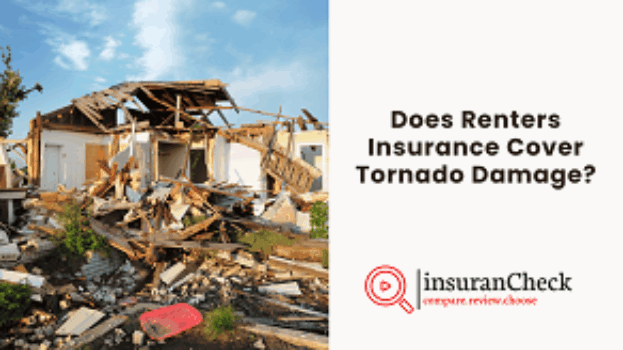
Sirens are blaring, and you’re in your apartment’s interior room as a tornado barrels toward where you live. You’re mind is racing with fear for your safety, but another question starts to form: will my renters’ insurance cover tornado damage if the unimaginable should happen?
Tornadoes can obliterate everything you own in a matter of minutes, leaving you to wonder how you will replace your belongings and what on earth you are going to do about shelter. The financial damage alone is devastating, and it feels even worse if you have no idea how your insurance coverage will play out.
The good news is that renters’ insurance generally includes coverage for tornado damage, but the specifics are important. Knowing what is and isn’t covered in your policy, and how to file claims for the most benefits, may determine whether you recover quickly or find yourself financially devastated.
Table of Contents
Understanding Renters Insurance and Tornado Coverage
When it comes to tornadoes, renters insurance generally categorizes them as a covered peril under most standard policies. When you buy renters coverage, you’re buying protection against certain types of harm and loss, and tornadoes typically meet the definition of windstorms that most policies cover.
Several coverages you have on your renters insurance policy come into play when it comes to tornado damage.
Personal property coverage helps protect your belongings, such as furniture, electronics, c,s and clothing (personal items), if they’re damaged or destroyed by a covered risk. This is your baseline for tornado protection.
Liability coverage: If your stuff is damaged in a tornado, and that causes injury to another person or their property that does not belong to you, liability protection may help safeguard your finances. For instance, if tornado winds carry your patio furniture through a neighbor’s window, your liability coverage could help pay for the resulting damage.
Loss of use coverage, also known as additional living expenses, covers temporary housing and other related bills if tornado damage renders your rental property uninhabitable. This coverage can be a financial lifesaver if you have to pay lodging expenses or arrange for temporary housing while repairs are being made.
The difference in what renters’ insurance covers tornado damage all comes down to how insurers define what they consider “covered perils.” Nearly all policies are one of two types — named perils or open perils. Named perils policies identify specific covered instances, and windstorms or tornadoes are usually part of that list. Open perils policies cover all types of risks, except those that are expressly excluded.
Renters’ insurance tornado coverage is also a slightly different beast than homeowners’ insurance, because the building structure belongs to someone else.
There are three components to insurance for renters: Your landlord’s insurance is on the apartment building itself, while your renters’ insurance covers your personal belongings, and additional living expenses. Most standard renters insurance policies categorize tornadoes as a type of windstorm, and this is almost always covered in renters insurance. That means you don’t have to buy separate tornado insurance because your standard policy will cover losses involving a tornado.
What Tornado Damage Your Policy Covers
While the specifics of a policy vary, your renters’ insurance covers tornado damage to your personal property in different specific ways. Knowing these areas of coverage can help you understand what is covered by your policy and what you may need to consider adding.
Home Insurance: It is your personal property coverage you turn to first for help with this damage. This coverage covers your furniture, electronics, appliances, clothing and jewelry as well as books or other personal items which have been damaged by tornado winds.
Coverage often includes items inside and outside of your rental unit. Your electronics and appliances are protected under personal property protection if they’re damaged by tornadoes. Your TV, computer, fridge, washer, dryer, and other electronics are eligible for replacement or repair up to the maximums in your policy.
When tornado winds tear or damage your wardrobe, shoes, accessories, and personal care items are insured. It is then this protection that will turn out to be invaluable, as replacing a wardrobe costs. (Americans experience about 1,000 tornadoes per year across many states, according to the National Weather Service.)
Here’s another: Jewelry and collectibles are covered by your regular policy, albeit with restrictions. Most policies have sub-limits for jewelry, art, and collectibles, or for other expensive items. You may require extra coverage or scheduled personal property endorsements for high-dollar items.
Policy language: Contents stored in vehicles may receive coverage depending on the specifics of your policy. Some renters’ insurance policies cover personal property that is temporarily kept in cars, while others exclude items left behind in vehicles.
| Item Type | Typical Coverage | Common Limitations |
| Furniture & Appliances | Full replacement cost | Policy limits apply |
| Electronics | Full coverage | Depreciation may apply |
| Jewelry & Valuables | Limited coverage | Sub-limits often $1,000-$2,500 |
| Clothing | Full coverage | Actual cash value |
| Items in storage | Usually covered | Must be on rental property |
Common Exclusions and Limitations
In most cases, renters insurance covers tornado damage — but there are a few exclusions and limitations to how your coverage applies.
Losses resulting from flooding are the most common exclusion for tornado losses. Roof failures, shattered windows and compromised buildings can lead to flooding from tornadoes.
Exclusions for earth movement can apply to tornado coverage if a tornado has resulted in ground shifting or foundation issues. If tectonic activity from the tornado leads to landslides, sinkholes or any kind of significant ground movement that damages your property, standard policies may not cover these losses.
Even for tornado damage, there are exclusions for wear and tear. If tornado winds cause damage to items that were already deteriorating or in poor condition, the insurance provider can lower settlements due to damaged pre-existing conditions.
The most frequent coverage restriction for tornado damage is the imposition of policy limits. Damage to your personal property has a maximum limit, and if tornado damage exceeds the limit, you’ll be on the hook to pay the difference yourself.
Deductibles: Tornado Damage Settlements Those amounts selected at time of purchase of your coverage become a reduction off what you want paid for damages from tornadoes. If, for example, you selected a $500 deductible and damages resulting from a tornado cost $2,000 to repair or replace your belongings, then your insurance company will pay up to the remaining $1,500. Higher deductibles mean lower premiums, but more out-of-pockets costs when a claim is made.
Sub-limits for certain types of property can have a major impact on tornado damage claims. Jewelry, art, collectibles, business property, and other categories tend to have separate or lower coverage limits.
Territory restrictions on coverage territory may come into play with tornado damage claims if you are temporarily living outside your rental property.
Conclusion
A tornado disaster will definitely be one case where your renters ‘ insurance will become a vital lifeline to you, and help both your personal and financial security. A majority of typical renters’ insurance policies provide coverage for tornado damage, destruction of the house, and also offer, as a choice, additional living expenses if the home is not safe to live in. Knowing your policy details, such as deductibles, coverage limits, and exclusions, can give you an upper hand in the recovery process. This will help you check the coverage of your insurance so as not to be terribly surprised in the time of need.
Nevertheless, it would be best if you remained vigilant and checked whether your insurance can fully cover your needs. For instance, if you possess very expensive things such as jewelry or collectibles, it would be better to have them separately covered rather than in the policy with the lower limit. At the same time, if you were to be excluded, such as flood or earth movement resulting from a tornado, you would be left exposed if not properly addressed. If you take the time to review your policy, adjust your coverage, and find it easy to file a claim, then you are already halfway to recovery when the disaster strikes.